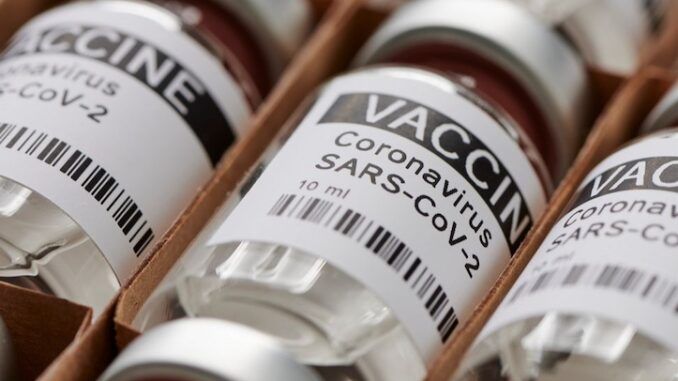
Life expectancy in the U.S. has hit an all-time low following the rollout of the COVID-19 vaccines, according to a report by Naturalnews.com. The average expected lifespan for Americans in 2021 was 76.4 years, a drop of 0.6 from the previous year. Men can expect to live an average of 73.5 years, while women have a life expectancy of 79.3 years.
Heart disease was the leading cause of death in the U.S. in 2021, and it has been linked to COVID-19 vaccines. Many reported side effects from the vaccines have been cardiac-related, with numerous cases of heart attacks or strokes occurring after vaccination. Reports of vaccine-related injuries continue to increase, with a particular focus on healthy young people suddenly dying.
Although some experts argue against the connection between COVID-19 vaccines and deaths, there has been a significant rise in heart attacks among young people. A study conducted by Cedars-Sinai Medical Center showed that heart attack deaths increased for all age groups during 2020 and 2021, but the most significant jump was observed in those aged 25 to 44, with a 29 percent increase.
Further analysis by The Expose using data from the Centers for Disease Control and Prevention (CDC) revealed that mRNA shots could potentially shorten lifespan by up to 24 years for men. The CDC's all-cause mortality data showed that each dose of a COVID-19 vaccine increased mortality by 7 percent in 2022 compared to the previous year. In other words, individuals who received five doses were 35 percent more likely to die in 2022 than in 2021. Those who received only one dose had a 7 percent higher chance of dying in 2022. Meanwhile, individuals who did not receive the vaccine had the same likelihood of dying in both years.
Based on this data, The Expose described the vaccines as “slow-acting genetic poison,” as recovery from the damage caused by earlier vaccines does not seem to occur. If the trend continues, a person who received five doses would be 350 percent more likely to pass away in 2031 and a shocking 700 percent more likely to die in 2041 compared to those who did not receive the jab.
FDA Commissioner Dr. Robert M. Califf described the declining life expectancy in the U.S. as “catastrophic” but did not directly attribute it to vaccines. Those who suggest a link between vaccines and deaths often face censorship, as seen with a whistleblower who shared data from the New Zealand Health Agency and was subsequently arrested. The data suggested a strong correlation between vaccines and excess mortality, estimating that vaccines had caused the deaths of over 10 million individuals worldwide.
The whistleblower shared the data in the hopes of raising awareness and encouraging experts to analyze the information. However, the suppression of such information hampers public understanding of the potential risks associated with COVID-19 vaccines.
In conclusion, the rollout of COVID-19 vaccines has coincided with a significant drop in life expectancy in the U.S. Reports suggest a link between the vaccines and an increase in heart attacks, particularly among young people. Analysis of CDC data indicates that mRNA shots could potentially shorten lifespan by up to 24 years for men. However, those who raise concerns about vaccines causing deaths often face censorship, preventing open discussion and analysis of the potential risks.