

Many of us shared anecdotes of loved ones vaccinated with COVID-19 vaccines – and suffering from all sorts of unrelated illnesses afterward. I know a young individual who, after mandated COVID vaccination, had all sorts of bacterial illnesses that he never had before.
Finally, we have scientific confirmation that vaccination against COVID-19 causes a marked decrease in immunity to heterologous pathogens such as viruses, bacteria, and fungi. This decreased immunity to other pathogens (acquired immune deficit) is what people colloquially refer to as “VAIDS.” (VAIDS stands for Vaccine-Acquired Immune Deficiency Syndrome)
The study titled BNT162b2 COVID-19 vaccination in children alters cytokine responses to heterologous pathogens and Toll-like receptor agonists, set out to measure the quality of general immune responses in children vaccinated with the Pfizer COVID vaccine.
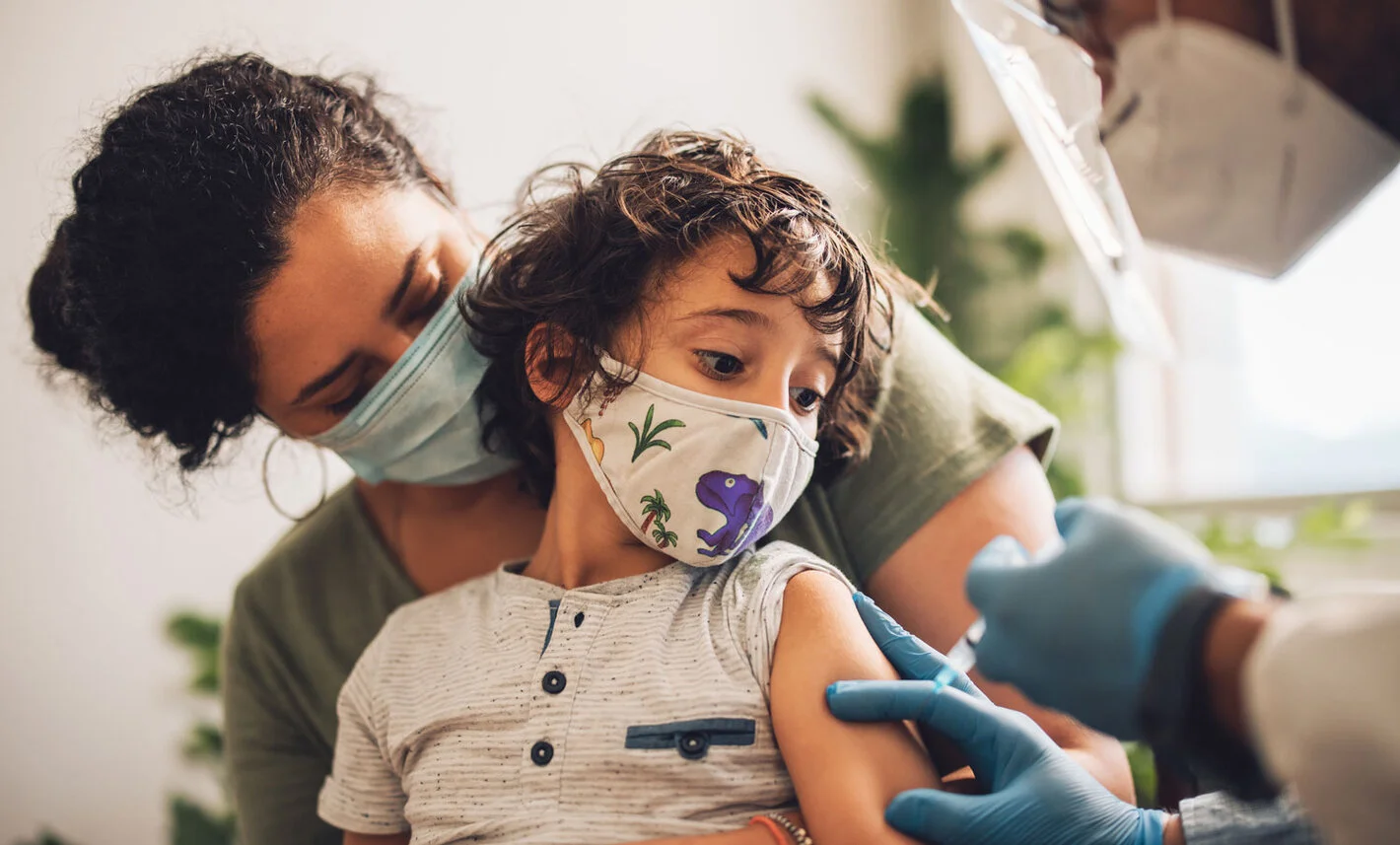
Blood samples from 29 children, aged 5-11 years old, were taken on the day of the FIRST dose of COVID vaccination and subsequently retaken on the 28th day after the second dose.
Methods: A whole blood stimulation assay was used to investigate in vitro cytokine responses to heterologous stimulants (killed pathogens, Toll-like receptor ligands) and SARS-CoV-2 antigens. Samples from 29 children, aged 5-11 years, before and 28 days after a second BNT162b2 vaccination were analyzed (V2 + 28). Samples from eight children were analyzed six months after BNT162b2 vaccination.
In the introduction, scientists coyly said that vaccination “altered cytokine responses”. As we will discover, the jabs altered immune responses for the worse, not better!
Conclusions: BNT162b2 vaccination in children alters cytokine responses to heterologous stimulants, particularly one month after vaccination. This study is the first to report the immunological heterologous effects of COVID-19 vaccination in children.
Sample collection
Participants were requested to provide blood samples at two core visits, and one optional visit. The first blood sample was taken immediately before, and on the same day as, the first BNT162b2 vaccination (V1), the second blood sample was taken 28 days after the second BNT162b2 vaccination (V2 + 28) and the optional third blood sample was taken 6 months after the second BNT162b2 vaccination (V2 + 182) (Supplementary Figure S1). Up to 23 mL venous blood was collected into sodium heparin-containing and serum separator tubes (Becton Dickinson, NJ, USA).
Then, collected blood was tested for the immune response to various pathogens, including various commonly encountered bacteria, staphylococcus aureus, and pathogenic yeast Candida Albicans…
Read more at www.igor-chudov.com

