

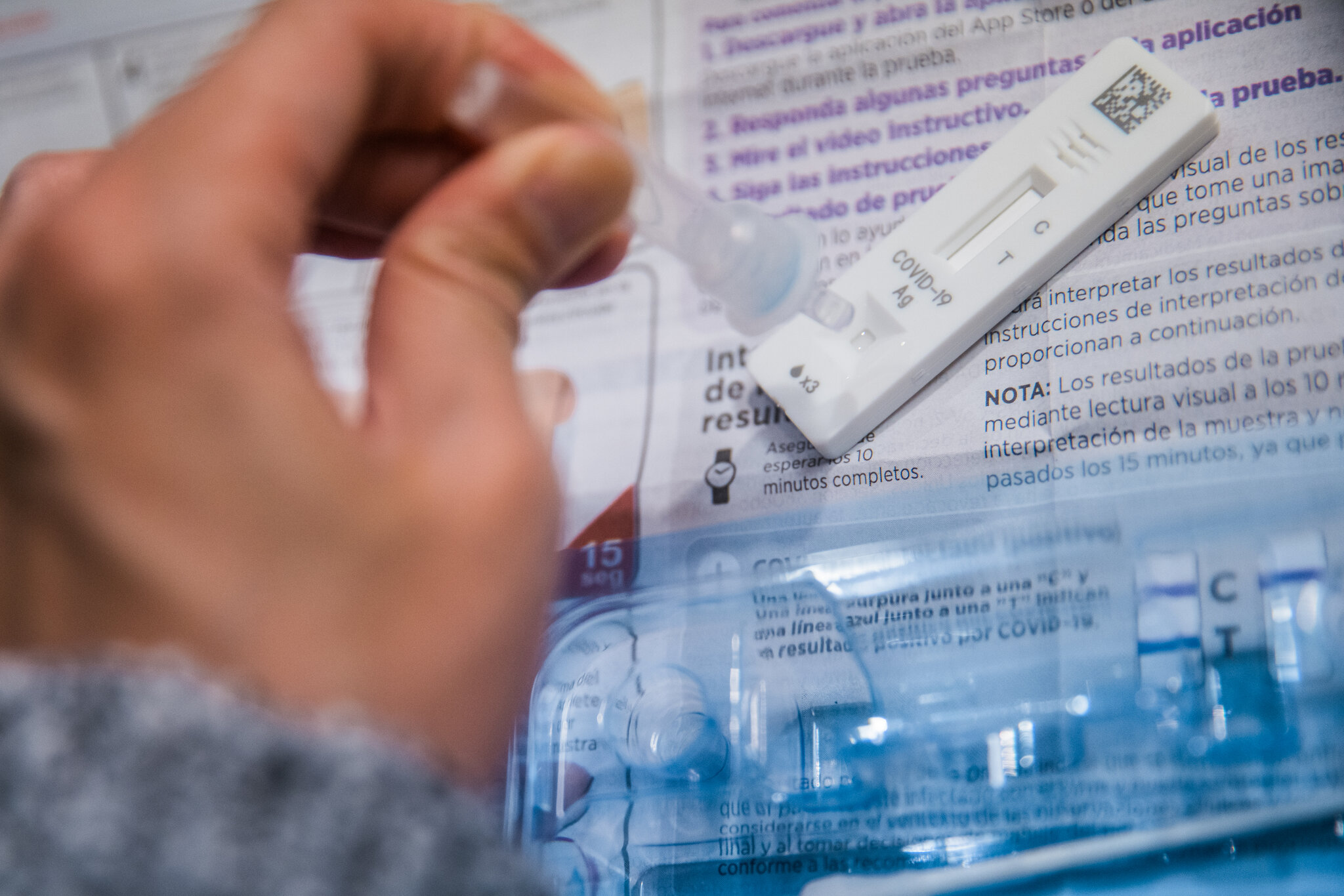
In a recent paper by Feldman et al., a concerning case was reported involving a laboratory technician who attempted suicide. What caught the attention of the researchers was that the technician, who had received two doses of the Sars-CoV-2 vaccine and consistently tested negative for Sars-CoV-2 nucleocapsid antibodies, showed positive results on HIV antibody tests and confirmatory tests.
However, further testing using PCR showed that the patient did not have the HIV virus. This case prompted the researchers to investigate further and document similar cases within their international network.
Interestingly, this is not the first time such a phenomenon has been observed. In 2020, an Australian vaccine trial was abandoned due to a high number of participants testing false positive for HIV. Australia had previously planned to buy 51 million doses of the COVID-19 vaccine developed by Australian firm CSL and the University of Queensland. These incidents raise concerns about the potential for false positive HIV tests in individuals who have been vaccinated against Sars-CoV-2.
Gudipati et al. from Henry Ford conducted a search among 39,110 records and found 87 cases of false positive HIV results. These cases were distributed among patients who had COVID-19, vaccination, or both. The study primarily focused on the relationship between false positives and COVID-19 infection, but it also highlighted the occurrence of false positives in vaccinated individuals.
Another study by Balasubramanian et al. reported a temporal relationship between COVID-19 test positivity and false positive HIV results in multiple studies. This further supports the notion that there may be a connection between COVID-19 infection or vaccination and false positive HIV tests.
Hakobyan et al. explored the potential mechanisms behind these false positive results. They found that the spike proteins of Sars-CoV-2 share structural similarities with certain viruses, including HIV-1. This structural resemblance could lead to antibody cross-reactivity, causing immunoassay tests to produce false positive results. Additionally, other closely related coronaviruses have been found to cross-react strongly with Sars-CoV-2, further complicating the accuracy of HIV testing.
The emergence of false positive HIV tests in individuals who have had COVID-19 or received the COVID-19 vaccine raises several important questions. Firstly, how common is HIV ELISA positivity after COVID-19 infection and vaccination? This question requires further investigation to determine the prevalence of false positive results in these individuals.
Secondly, when should HIV screening be performed? Healthcare providers need clarity on the appropriate timing of HIV testing in individuals who have been infected with Sars-CoV-2 or vaccinated against it.
Thirdly, how will patients handle the potential stigma of being labeled “HIV positive” when the test is actually a false positive? This issue needs to be addressed to ensure that individuals are not wrongly stigmatized due to inaccurate test results.
Lastly, does HIV false positivity imply a post-infection or vaccine-associated immunodeficiency state? Understanding the implications of false positive results is crucial for providing appropriate care and support to affected individuals.

