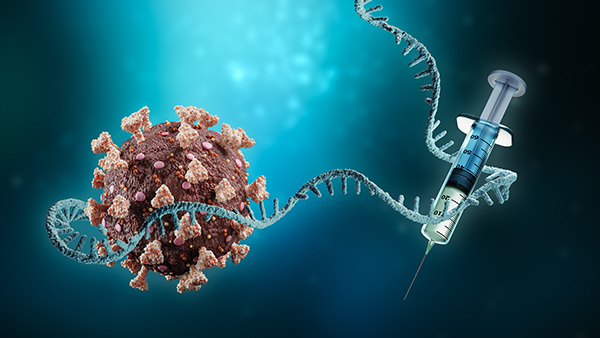
Tokyo-based pharmaceutical company Meiji Seika Pharma has recently received approval in Japan for the production and distribution of the world’s first self-amplifying mRNA Wuhan coronavirus (COVID-19) vaccine, called Kostaive. This groundbreaking vaccine is designed to trigger a strong immune response and potentially offer prolonged protection by instructing cells to produce multiple copies of the viral spike protein. While this development is certainly promising, concerns have been raised about the limited safety testing conducted on the vaccine.
The Kostaive vaccine utilizes RNA technology, which uses the virus's genetic code against it. Unlike traditional vaccines that introduce weakened or inactivated viruses into the body, RNA vaccines work by instructing cells to produce a specific protein. In the case of Kostaive, the vaccine goes a step further and generates more spike protein, resulting in a potentially stronger immune response.
Meiji Seika Pharma announced its approval to produce and distribute the Kostaive sa-mRNA vaccine in a press statement on November 28. The vaccination protocol for Kostaive includes booster shots and two doses of the main vaccine for the adult population. However, critics are concerned about the limited safety testing conducted on the vaccine.
Toby Young, the general secretary of the Free Speech Union, expressed his reservations about the vaccine. He pointed out that the vaccine was tested on only 800 people without a control group, and the assessment was limited to antibody levels rather than infection rates. This raises questions about the effectiveness and safety of the vaccine, as well as its potential side effects.
In the trial for Kostaive, which took place between December 2022 and February 2023, only 828 participants were involved. This is significantly fewer compared to Pfizer's phase three trial, which had approximately 40,000 participants. The preliminary study suggested that Kostaive recipients experienced a slightly lower frequency of localized responses but reported more instances of certain side effects compared to Pfizer's Comirnaty vaccine, including fever, diarrhea, headache, nausea, malaise, chills, and myalgia.
Experts have also highlighted the potential adverse effects of mRNA vaccines. Renowned cardiologist Dr. Peter McCullough testified before the European Parliament, stating that there is no evidence proving the breakdown of mRNA in the body after injection. He emphasized that these vaccines, being synthetically made, might persist in the body for up to six months after immunization. McCullough further linked the spike protein from mRNA vaccines to various health issues, including blood clots, neurological disorders, cardiovascular diseases, and immunological problems, citing numerous peer-reviewed publications as evidence.
Molecular researcher Klaus Steger pointed out that even a small amount of sa-mRNA could lead to increased production of antigens. This raises concerns about the potential adverse events associated with sa-mRNA vaccines.
A study published in the journal Trends in Biotechnology in June highlighted safety issues associated with sa-mRNA vaccines, particularly related to their replicative nature. The study suggested that these vaccines might persist in immunocompromised individuals and identified potential hazards for pregnant women if the vaccine vectors were derived from viruses causing congenital diseases.
While the development of the self-amplifying mRNA COVID-19 vaccine is undoubtedly a significant milestone in the fight against the pandemic, it is crucial to consider the concerns raised by experts regarding safety testing and potential adverse effects. Further research and analysis are necessary to fully understand the implications and risks associated with this new vaccine technology.
For more stories about the dangers of mRNA COVID-19 vaccines, visit DangerousMedicine.com.