

What Kevin McKernan and his team have discovered about DNA integration in COVID-19 mRNA vaccines goes against the arguments made by fact-checkers. Genomic researcher Kevin McKernan found that the DNA in these vaccines can potentially integrate into human DNA, contradicting the claims that mRNA cannot be changed into DNA.
McKernan's findings, which he shared on his Substack blog, have not yet been peer-reviewed. However, they raise concerns about the possibility of the COVID-19 vaccines modifying human genes by combining their sequences with the human genome.
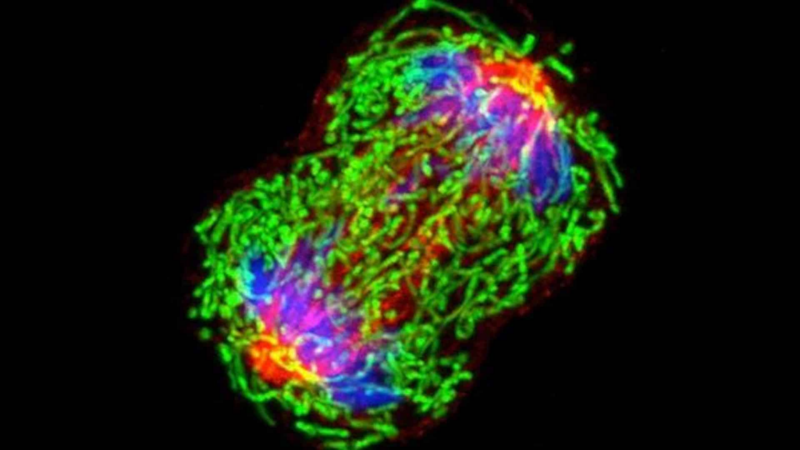
Previous research conducted by human biologist Ulrike Kämmerer found that breast and ovarian cancer cells exposed to Pfizer and Moderna mRNA vaccines expressed the COVID-19 spike protein on their cellular surface, indicating that they had absorbed the vaccines. McKernan then performed gene sequencing and confirmed that these cells contained vaccine DNA.
To investigate the potential for DNA integration, McKernan tested whether vaccine DNA combined with cancer cell DNA. He found vaccine DNA sequences on two chromosomes in the cancer cell lines: chromosome 9 and chromosome 12. The sequencing machine detected both instances of integration twice, ensuring that the integration was not a result of misreading or random error.
While integration is more concerning in healthy cells as it disrupts genetic stability and integrity, cancer cells already have unstable DNA, making the effects of integration less clear. It is important to note that the experiments were conducted in cancer cells, not healthy human cells, so it does not suggest the same integration would occur in healthy individuals.
However, Hiroshi Arakawa, a researcher at the Institute of Molecular Oncology, examined McKernan's data and concluded that what happens in cultured cells can also occur in normal cells. Arakawa found signs of DNA integration at chromosomes 9 and 12, indicating that abnormalities can occur depending on the site of genome integration.
The fact that the integration events occurred at the same place on two chromosomes suggests that the integration may not be random. McKernan explained that there are likely hotspots for integration, with jumping genes tending to “jump” into highly activated areas of DNA, which play important roles in the human body.
McKernan also believes that vaccine DNA is highly active in cancer cells. His sequencing machine detected significantly higher levels of vaccine DNA compared to cancer cell DNA. Additionally, he detected new variants in certain segments of the vaccine DNA, which were not observed in unvaccinated cancer cells or in the vaccine not exposed to cancer cells. These variations likely occurred because the cancer cells made copies of the vaccine DNA and created small errors.
The presence of DNA in COVID-19 mRNA vaccines is due to the manufacturing process. Initially, Pfizer planned to use a PCR machine to produce the DNA for its mRNA vaccine. However, to meet demands, the manufacturers switched to using bacteria to mass-produce DNA as the template for the mRNA vaccine. During this process, bacterial DNA containing spike protein sequences could be packaged into lipid nanoparticles and transported into cells during vaccination.
The amount of DNA in the mRNA vaccine vials has been found to exceed the FDA's allowable threshold. McKernan emphasized that compared to previous vaccines, which mainly consisted of naked DNA that had difficulty entering cells, the DNA carried in mRNA vaccines presents greater health risks as it is packed into lipid nanoparticles and delivered directly into cells.
These findings by McKernan and his team challenge the current understanding of DNA integration and raise concerns about the potential risks associated with COVID-19 mRNA vaccines. Further research and testing are needed to determine the implications for cancer patients and whether similar integration could occur in healthy human cells.
In conclusion, McKernan's discovery of potential DNA integration in COVID-19 mRNA vaccines provides new insights into the genetic impact of these vaccines. While more research is required to fully understand the implications, these findings highlight the need for ongoing monitoring and evaluation of the safety and effectiveness of mRNA vaccines.

