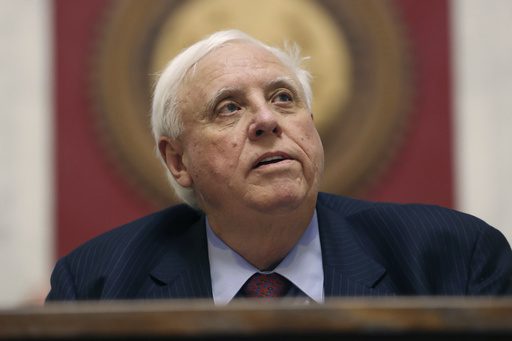
In a surprising move, Republican Governor Jim Justice of West Virginia vetoed a bill that would have relaxed the state's strict school vaccination policies. West Virginia is one of the few states in the US that only offers medical exemptions for vaccine requirements. The vetoed bill would have allowed certain students who don't attend traditional public schools or participate in group extracurricular activities to be exempt from mandatory vaccinations.
Governor Justice justified his decision by stating that the state's current vaccination policy is effective in protecting children from preventable diseases like measles. He also emphasized the importance of following the guidance of licensed medical professionals who overwhelmingly opposed the legislation. The governor's decision was met with immense pressure from health care leaders, educators, and parents.
The bill, which received majority support in both legislative chambers despite opposition from health care leaders, aimed to exempt private and parochial schools from state law and allow them to develop their own vaccination policies. Virtual-only public school students would also have been exempt. However, all students participating in school activities that involve competition, such as sports, would still have needed to be vaccinated.
The vetoed bill faced public opposition from various organizations, including the state's two teachers unions, the West Virginia Hospital Association, and the West Virginia Medical Association. Dr. Clay Marsh, West Virginia University's vice president and executive dean for health sciences, also advised Governor Justice to reject the bill. As the COVID-19 Czar for the State of West Virginia, Marsh played a crucial role in preventing the spread of the virus in the state.
Governor Justice's pro-vaccine stance during the coronavirus pandemic earned him praise from state health care leaders. He was among the first top elected officials in the country to receive the COVID-19 vaccine and even livestreamed the inoculation on social media. However, the vetoed bill raised concerns among health experts, such as Kanawha-Charleston Health Officer Dr. Steven Eshenaur, who worried about the potential consequences if the legislation became law.
West Virginia's current law mandates vaccines for diseases like chickenpox, measles, meningitis, and whooping cough, among others, unless a medical exemption is granted. Notably, COVID-19 vaccinations are not required in the state. Health care leaders argue that other states have used West Virginia's immunization requirements as a model to strengthen their own requirements following measles outbreaks. West Virginia, along with California, Connecticut, Maine, and New York, is one of the few states without nonmedical vaccination requirements.
While some parents in West Virginia have expressed frustration with the state's vaccination policy and believe they should have the freedom to make their own decisions regarding their children's vaccination status, there is growing support for stricter immunization requirements. Dr. Alvin Moss, a professor at West Virginia University School of Medicine, argues that the state's current compulsory vaccination policy lacks informed consent and is medically unethical.