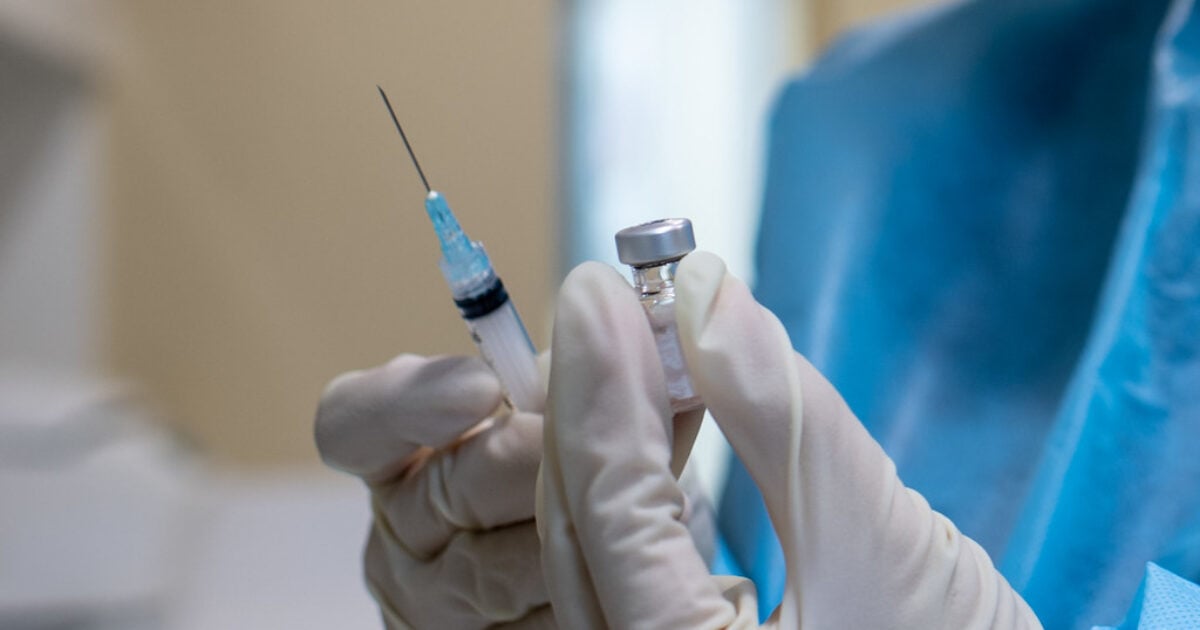
A recent Colombian retrospective cohort study has raised concerns about the potential link between the human papillomavirus (HPV) vaccine and autoimmune disorders in adolescent girls. The study, published in the journal ‘Vaccine,' analyzed the health records of nearly 2 million vaccinated and unvaccinated girls over a 10-year period.
According to The Defender, girls who received a quadrivalent HPV vaccine were found to be 4.4 times more likely to develop rheumatoid arthritis compared to their unvaccinated counterparts. This finding adds to a growing body of scientific literature from various countries, including the United States, Australia, Denmark, Sweden, France, Japan, and Colombia, that have reported associations between HPV vaccination and autoimmune conditions.
The study's findings have prompted calls for further investigation and consideration of whether the vaccine should be discontinued. Brian Hooker, Ph.D., chief scientific officer for Children’s Health Defense (CHD), stated that “at a minimum, this deserves more comprehensive investigation towards a decision whether to pull the vaccine entirely.” The concern is that there are significantly higher levels of autoimmune disorders in vaccinated girls who did not have these disorders before vaccination.
Quadrivalent HPV vaccines target four high-risk strains of HPV, while Merck's Gardasil 9 vaccine, the only HPV vaccine distributed in the United States, targets nine strains. The study did not specify which brand of vaccine was administered to the girls in the Colombian study. However, it is worth noting that Merck does produce a quadrivalent Gardasil vaccine, which is one of two quadrivalent vaccines licensed by the World Health Organization.
In addition to rheumatoid arthritis, the study found that vaccinated girls were also more likely to develop other autoimmune disorders. They were 2.76 times more likely to develop juvenile idiopathic arthritis, 2.86 times more likely to develop thyrotoxicosis, and 2.54 times more likely to develop idiopathic thrombocytopenic purpura.
The concerns raised by this study highlight the need for further research and evaluation of the potential risks associated with the HPV vaccine. It is crucial to strike a balance between the benefits of preventing HPV-related diseases and the potential risks of autoimmune disorders.
This study also brings attention to the broader issue of vaccine safety and the need for continued monitoring and assessment of adverse effects. While vaccines have been instrumental in reducing the burden of infectious diseases, it is essential to ensure that the benefits outweigh any potential risks.
In her ‘A Shot In The Dark' series, Candace Owens shared her traumatic experience after receiving the Gardasil HPV vaccine. This personal account adds to the growing discussion around vaccine safety and the need for transparency and informed decision-making. Watch the episode titled, ‘What Every Parent Should Know About HPV Vaccines,’ below:
https://youtu.be/0lTYMzI1gHE?si=SW60CUJpWb9CgIQi
To read the full report from the Colombian study, please visit The Defender's website.